Honeycomb Font: Adding a Playful Buzz to Your Brand
If you've ever felt that a standard sans serif font is too sterile or a classic script font is too formal for a fun project, you might be looking for something with more texture and personality. Enter Honeycomb, a creative font designed to bridge the gap between legibility and whimsy. It isn't just a typeface; it’s a visual texture that mimics the organic, structured beauty of a beehive. For designers, small business owners, and crafters, this font offers a distinct "handcrafted" aesthetic that feels cozy and inviting without sacrificing readability. It’s the kind of design asset that immediately sets a warm, approachable tone for any brand identity.
Visual Style and Personality
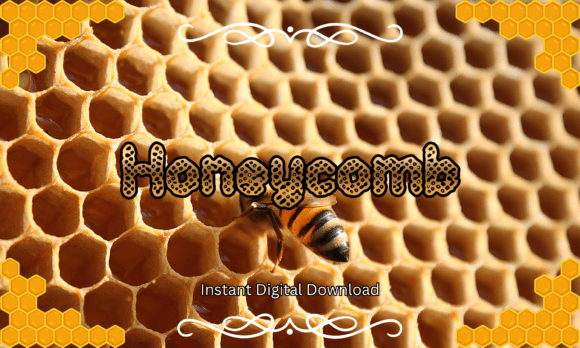
Honeycomb is a premium font that leans heavily into the "cute" and "playful" end of the typography spectrum. Visually, it features a bubble-letter construction where the interior of each character is filled with a honeycomb texture. This gives the lettering a tactile, 3D appearance that pops off the page. Unlike a standard handwritten font, which relies on brush strokes or pen marks, Honeycomb relies on geometric patterns found in nature. The result is a typeface that feels modern yet organic.
The personality of this font is undeniably cheerful. It speaks the language of comfort, sweetness, and creativity. Because it is a display font, it is built for impact rather than long-form reading. The characters are bold and rounded, creating a soft, friendly silhouette. This makes it an excellent choice for projects where the goal is to evoke an emotional reaction—specifically joy or nostalgia—before the reader even processes the words themselves. It moves away from the cold precision of modern typography and embraces a more tactile, DIY spirit.
Strategic Applications for Branding and Marketing
When selecting a typeface for a project, the decision should always be driven by the audience and the message. Honeycomb shines in specific niches where a playful aesthetic is a strategic advantage.
Packaging Design and Product Labels
For businesses in the food, beauty, or children's markets, packaging design is about shelf appeal. Honeycomb is a natural fit for artisanal goods, particularly those with natural ingredients or honey-based products. Imagine a jar of organic jam or a scented candle; using this font for the product name adds a layer of perceived value and care. It suggests that the product inside is handmade and wholesome. However, because the texture is detailed, it works best at larger sizes on packaging. For the fine print, such as ingredients or instructions, you would need to pair it with a clean, legible sans serif font or a simple serif font to ensure clarity.
Logo Design and Brand Identity
Using a textured display font for logo design can be risky, but rewarding if done correctly. Honeycomb is perfect for boutique brands targeting a younger demographic or families. It works well for bakeries, daycare centers, craft supply stores, or florists. The key to using it in a brand identity system is consistency. If you use Honeycomb for your logo, you should carry that texture into other elements, perhaps as a background pattern in your website headers or as accent graphics in your social media graphics. This creates a cohesive visual world that feels immersive.
Digital Content and Social Media
In the fast-paced world of web design and social media, grabbing attention is difficult. Honeycomb is an excellent tool for stopping the scroll. It is highly effective for Instagram Stories, Pinterest pins, and YouTube thumbnails. The bold, textured nature of the letters ensures that titles remain readable even on small mobile screens. It adds a burst of energy to static images and can make a call-to-action feel more like an invitation than a demand.
Pairing and Practical Usage
One of the most common mistakes in editorial design or branding is using two competing display fonts. Because Honeycomb is so distinct and textured, it requires a grounding partner.
The Font Pairing Strategy: To let Honeycomb shine, pair it with something neutral. A geometric sans serif font like Montserrat or Lato works beautifully. The clean lines of the sans serif provide a visual "rest" for the eyes, allowing the Honeycomb headers to take center stage without overwhelming the viewer. Alternatively, if you want a softer, more feminine look, you could pair it with a delicate script font for sub-headlines, though this should be used sparingly to avoid visual clutter.
Technical Considerations and File Types
When you acquire a commercial font like this, you typically receive TTF (TrueType Font) and OTF (OpenType Font) files. Both are essential for a professional workflow. TTF files are the standard for compatibility across almost all operating systems and software, including older versions of Microsoft Word. OTF files often contain more advanced features and are preferred by professional designers using software like Adobe Illustrator or Procreate.
Regarding software compatibility, Honeycomb is versatile. Whether you are a crafter using Cricut Design Space and Silhouette Studio to cut vinyl decals, or a marketer designing assets in Canva, the font integrates seamlessly. It is particularly popular in the "Print on Demand" sector for sublimation designs on mugs, t-shirts, and tote bags, where the bold lettering translates well onto fabric and ceramics.
Evaluating Readability
It is important to acknowledge that as a textured display font, Honeycomb is not suitable for body copy. The intricate details of the honeycomb pattern would become muddy and difficult to read at small sizes (below 16pt). Its strength lies in headlines, titles, and large-scale typography. When designing, always prioritize the user experience. Use Honeycomb to draw the eye, but switch to a standard legible font for the information that actually needs to be processed quickly.
Conclusion
Choosing the right creative font is about finding a voice for your design. Honeycomb offers a voice that is cheerful, tactile, and distinctively sweet. It is a versatile tool for anyone looking to inject personality into their projects, from DIY projects to professional branding. By understanding its visual strengths and pairing it correctly with more neutral typefaces, you can create designs that are not only beautiful but also effective at communicating your brand’s unique story. It’s more than just a typeface; it’s a way to make your designs feel warm, welcoming, and undeniably fun.